
As an Amazon Associate, we earn from qualifying purchases. This does not affect the price you pay.
Underwear fabrics are not all created equal, and each material reacts differently inside a washing machine. Cotton absorbs water easily, lace relies on delicate thread structures, silk weakens when wet, synthetics repel moisture, and wool reacts strongly to heat and movement. Understanding how each fabric behaves during machine washing is the key to keeping underwear comfortable, hygienic, and long-lasting.
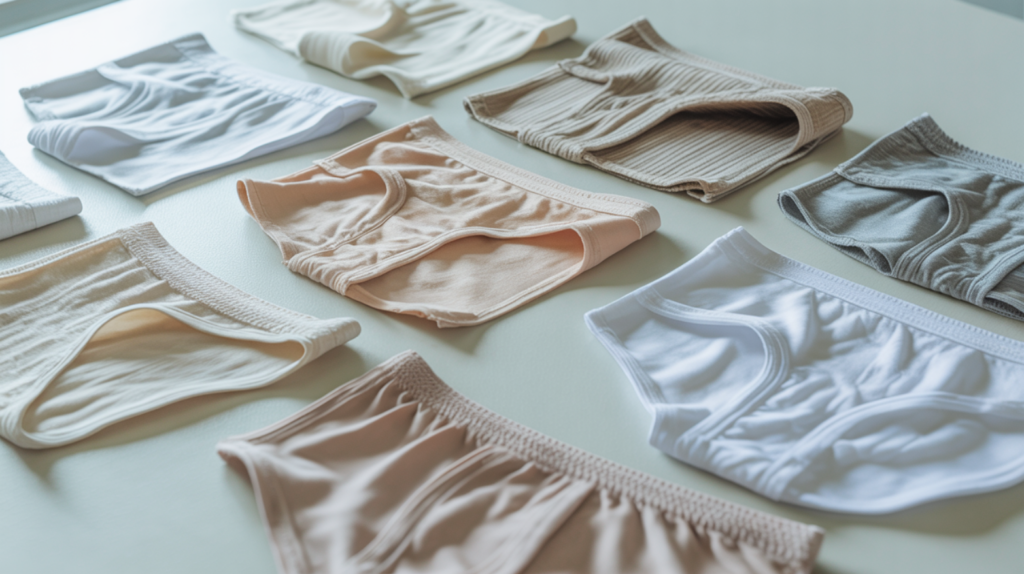
This pillar guide explains why fabric type matters, how washing machines affect different materials, and where to find detailed care instructions for each fabric, so you can wash confidently instead of guessing.
Why Fabric Type Matters When Washing Underwear
Every underwear fabric has a unique fiber structure that determines how it handles water, agitation, and temperature. Natural fibers tend to absorb moisture, while synthetic fibers resist it. Some materials stretch under stress, while others shrink or weaken.
Because washing machines combine water, motion, and heat, they amplify these differences. Treating all underwear the same leads to problems such as shrinkage, tearing, odor buildup, or loss of softness. Recognizing fabric-specific behavior allows you to choose washing settings that clean effectively without causing damage.
Cotton Underwear and Machine Washing
Cotton underwear is widely used because it is breathable, durable, and comfortable for daily wear. Cotton fibers are strong when wet, which makes them well-suited for machine washing under controlled conditions.
However, cotton is sensitive to heat and can shrink or stiffen if washed incorrectly. Proper water temperature and gentle drying are essential for maintaining fit and softness. A complete breakdown of safe washing practices is covered in How to Wash Cotton Underwear in a Washing Machine.
Lace Underwear and Delicate Cycles
Lace underwear is defined by its intricate patterns and fine threads. These decorative fibers create beauty but also vulnerability inside a washing machine.
Lace reacts poorly to friction and snagging, which is why protective steps such as mesh laundry bags and delicate cycles are essential. Washing lace without adjustments often leads to stretching or tearing. For detailed guidance on protecting lace, see Can You Machine Wash Lace Underwear?.
Silk Underwear and Fiber Sensitivity
Silk underwear offers a smooth, lightweight feel, but its protein-based fibers become fragile when wet. Unlike cotton, silk weakens under agitation and loses its natural sheen when exposed to heat.
Machine washing silk safely requires minimal movement, cold water, and specialized detergents. Drying methods are equally important to prevent distortion. These precautions are explained step by step in Washing Silk Underwear Safely in a Machine.
Synthetic Underwear: Polyester and Nylon
Synthetic underwear is engineered for stretch, durability, and moisture control. Polyester and nylon fibers resist water absorption, which helps them dry quickly and retain shape.
However, this same resistance can trap oils and odors if washing habits are poor. Temperature control and detergent choice play a major role in maintaining freshness and elasticity. A full explanation of best practices is available in How to Wash Synthetic Underwear (Polyester, Nylon).
Wool Underwear and Shrinkage Risk
Wool underwear provides insulation and breathability, but it is the most reactive fabric in washing machines. Wool fibers have surface scales that interlock when exposed to heat and agitation, causing shrinkage.
Even machine-washable wool requires cold water, gentle cycles, and careful drying. Standard wash settings often lead to permanent size loss. To understand when machine washing wool is safe and when it is not, read Does Wool Underwear Shrink in Washing Machines?.
How to Choose the Right Washing Approach
Choosing the correct washing method begins with identifying the fabric. Durable materials tolerate more movement, while delicate fibers require protection and restraint. Temperature control, agitation level, and drying method should always match the fabric’s tolerance.
When these elements align, underwear remains clean, comfortable, and structurally sound over time. Ignoring fabric differences, on the other hand, leads to faster wear and avoidable damage.
Conclusion
Different underwear fabrics respond to washing machines in very different ways because their fibers are built for distinct purposes. Cotton thrives with gentle consistency, lace demands protection, silk requires restraint, synthetics need residue control, and wool reacts strongly to heat and movement. By understanding these fabric-specific behaviors, you can extend the life, comfort, and performance of every pair you own.