As an Amazon Associate, we earn from qualifying purchases. This does not affect the price you pay.
Yes, machine washing underwear does kill most bacteria when the right combination of water temperature, detergent, and cycle time is used. Because underwear sits closest to the skin, it naturally collects sweat, oils, and microbes, which makes proper laundering essential for both comfort and hygiene.
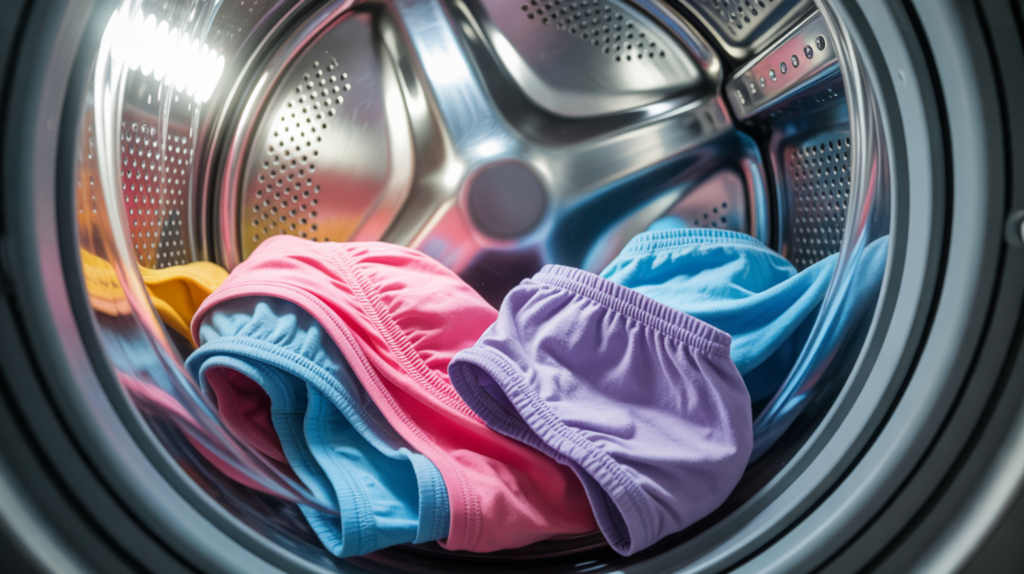
How Washing Machines Reduce Bacteria
Machine washing works through a combination of mechanical action and chemistry. The agitation of the drum loosens bacteria from fabric fibers, while detergent breaks down oils and organic matter that microbes rely on to survive. As these residues lift away, bacteria lose their ability to cling to the fabric, and many are flushed out with the rinse water.
Temperature further supports this process. Warm and hot water weaken bacterial cell structures, which makes them easier to remove or destroy during the wash. As a result, even without extreme heat, a properly run cycle significantly lowers bacterial load.
The Role of Detergent in Bacterial Removal
Detergent plays a central role in hygiene. Its surfactants surround dirt and microbes, allowing them to detach from fabric and dissolve into water. This means bacteria are not only killed but also physically removed, which is especially important for underwear made from absorbent materials like cotton.
When detergent is used correctly and rinsed thoroughly, it leaves fabric cleaner without trapping lingering microbes. This balance protects both hygiene and fabric longevity.
Is Heat Always Required?
While high temperatures are effective, they are not always mandatory. Many bacteria are removed through detergent action and agitation alone. However, for extra reassurance, especially after heavy sweating or prolonged wear, higher temperatures provide an additional layer of protection.
If you are deciding between temperatures, understanding is hot water necessary for underwear hygiene can help you choose the safest option without damaging delicate fabrics.
Can Bacteria Survive the Wash?
In rare cases, bacteria may survive if cycles are too short, water is cold, or detergent is skipped. Overloading the machine can also reduce cleaning efficiency by limiting movement and water circulation. These factors explain why hygiene-focused washing settings matter just as much as frequency.
Concerns about leftover microbes often raise another question: Can washing machines spread germs to underwear, especially when machines themselves are not cleaned regularly.
Special Situations That Need Extra Care
After illness or infection, underwear may carry higher microbial loads than usual. In such cases, longer cycles, warmer water, and thorough drying become more important. This approach reduces reinfection risk and restores a sense of cleanliness and confidence.
For guidance in these situations, please take a look at washing underwear after infection or illness, which explains when extra precautions are worth taking.
Conclusion
Machine washing underwear does kill most bacteria when done correctly, combining detergent, agitation, and appropriate temperature. This process keeps fabric fresh, skin healthy, and daily routines worry-free. When supported by mindful settings and occasional machine maintenance, washing becomes more than a habit, it becomes quiet protection built into everyday life.