As an Amazon Associate, we earn from qualifying purchases. This does not affect the price you pay.
Cotton underwear is one of the most commonly worn fabric types because it is breathable, soft, and comfortable against the skin. Cotton fibers allow air circulation and absorb moisture, which helps maintain daily hygiene and comfort. When washed correctly in a washing machine, cotton underwear stays fresh, retains its shape, and remains gentle on the skin.
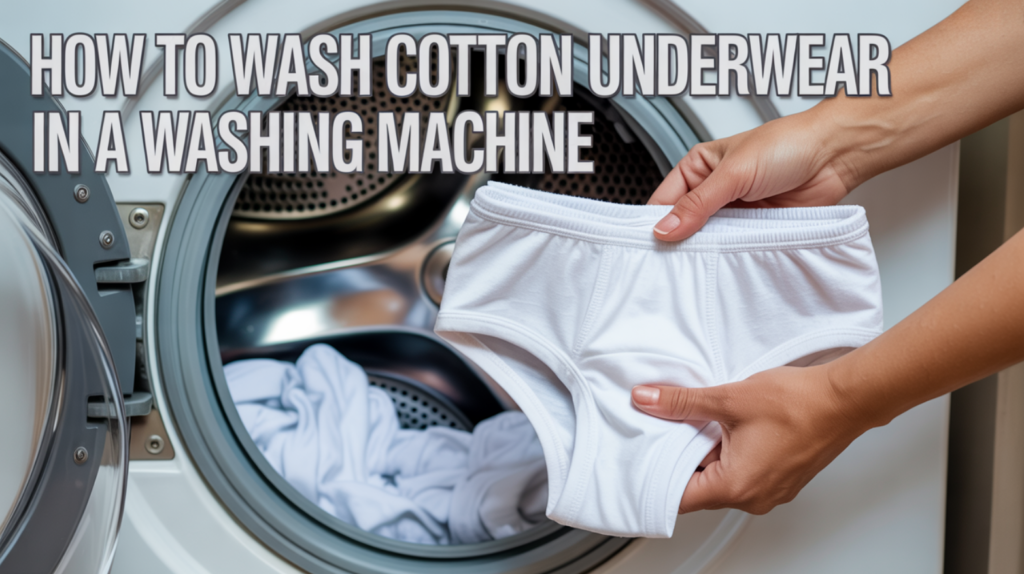
This guide explains how cotton reacts to machine washing, the best settings to use, and common mistakes that shorten its lifespan, helping you wash with confidence instead of concern.
Why Cotton Underwear Is Machine-Wash Friendly
Cotton is a natural fiber that is strong when wet, which makes it well-suited for machine washing. This strength allows cotton underwear to withstand gentle agitation without tearing or losing structure. Because cotton absorbs water easily, it also releases sweat, oils, and bacteria more effectively during a proper wash cycle.
However, this absorbency means cotton can also shrink or stiffen if exposed to excessive heat. As a result, washing conditions matter just as much as the act of machine washing itself.
Best Washing Machine Settings for Cotton Underwear
To protect cotton underwear, the washing machine should support the fabric rather than stress it.
Using cold or lukewarm water helps preserve fiber integrity and prevents unnecessary shrinkage. A gentle or normal cycle provides enough movement to clean the fabric without excessive friction. Mild detergents work best because harsh chemicals can weaken cotton fibers over time.
Turning underwear inside out before washing reduces surface friction, which helps preserve softness and color. When compared to more delicate materials like lace or silk, cotton is forgiving, but it still benefits from mindful handling. If you often wash mixed loads, you may want to compare this process with the steps outlined in Can You Machine Wash Lace Underwear?, where fabric fragility plays a much larger role.
Water Temperature and Shrinkage Risks
Heat affects cotton fibers by tightening them, which is why hot water increases the risk of shrinkage. Repeated exposure to high temperatures can also make cotton feel rough or stiff over time.
Cold water minimizes these effects while still providing effective cleaning for everyday wear. If underwear is heavily soiled, warm water may be used occasionally, but consistent hot washing is not recommended. This heat sensitivity is one reason cotton behaves very differently from synthetic materials, which respond better to temperature control, as explained in How to Wash Synthetic Underwear.
Drying Cotton Underwear After Machine Washing
Drying plays just as important a role as washing. High dryer heat can undo all the care taken during the wash cycle by causing shrinkage and fiber stress.
Air-drying is the safest option because it allows cotton to relax naturally. If a dryer is used, a low-heat setting reduces damage and helps maintain fit. Removing underwear promptly after drying also prevents wrinkles and stiffness from setting in.
These drying concerns become even more important when compared with animal fibers like wool, which react far more dramatically to heat and agitation, as discussed in Does Wool Underwear Shrink in Washing Machines?.
Common Mistakes to Avoid
Many people damage cotton underwear unintentionally through small habits that add up over time.
Using too much detergent can leave residue trapped in the fibers, making underwear feel rough and irritating the skin. Washing cotton with heavy items like jeans or towels increases friction, which can stretch waistbands and weaken seams. Over-drying is another frequent issue that reduces softness and shortens garment life.
Avoiding these mistakes keeps cotton underwear comfortable and dependable for daily wear.
Conclusion
Cotton underwear is designed to handle machine washing, but its longevity depends on how thoughtfully it is cleaned. Cotton fibers respond best to cool water, gentle cycles, and low-heat drying, which protect both comfort and fit. When treated with care, cotton underwear remains breathable, soft, and reliable through countless washes.
By understanding how this fabric behaves in a washing machine, you gain confidence that your everyday essentials are being cleaned safely and effectively, without unnecessary wear or damage.