As an Amazon Associate, we earn from qualifying purchases. This does not affect the price you pay.
Washing machines clean underwear efficiently, but settings, load habits, and cycle choices determine whether underwear stays supportive or wears out early. Underwear relies on elastic, fine fibers, and consistent fabric structure, elements that are especially sensitive to heat, force, and friction.
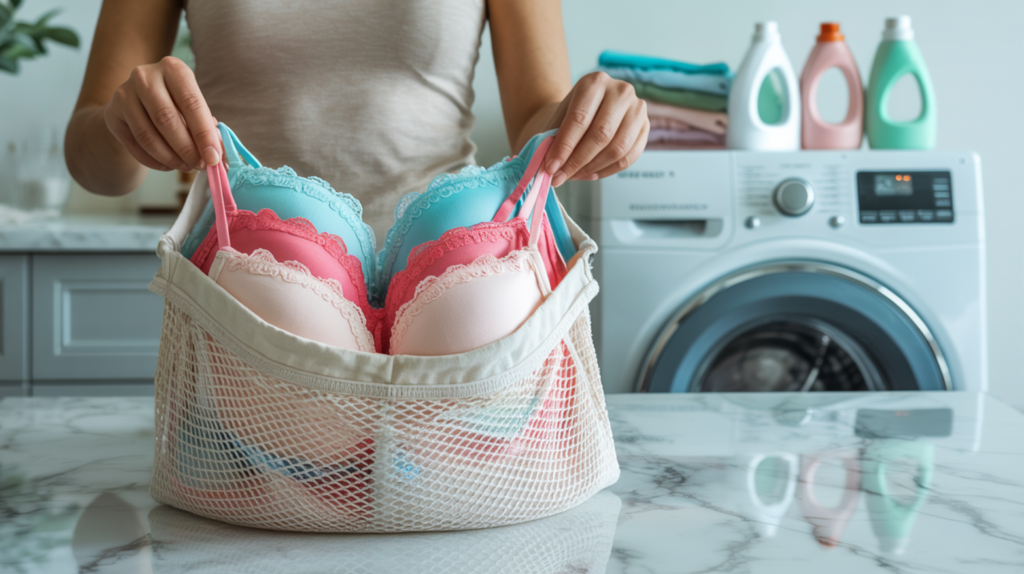
This guide explains how washing machine behavior affects underwear and connects the most important factors that protect fit, comfort, and lifespan.
Why Underwear Requires Special Washing Attention
Underwear differs from outerwear because it sits directly against the skin and depends heavily on elastic for proper fit. While shirts and jeans tolerate aggressive washing, underwear reacts quickly to excess agitation, heat, and pressure.
Because of this sensitivity, washing machine decisions matter more for underwear than most people realize. Small mistakes repeated weekly can shorten usable life long before fabric looks damaged.
Choosing the Right Washing Machine Settings
Washing machine settings control agitation strength, spin force, and water movement. Gentle cycles reduce fabric twisting and limit elastic strain, allowing underwear to clean without distortion.
Selecting appropriate settings is the foundation of underwear care. When cycles are too aggressive, elastic weakens gradually and fit becomes inconsistent. A deeper breakdown of cycle choices is covered in Best Washing Machine Settings for Underwear.
Water Temperature and Fabric Stability
Water temperature influences how fibers expand and contract during washing. Cooler water keeps elastic stable, while excessive heat accelerates fiber fatigue.
Although hot water is often associated with hygiene, modern detergents clean effectively at lower temperatures. Understanding when heat helps and when it harms is essential for preserving underwear structure, as explained in Should You Use Hot or Cold Water for Underwear.
Spin Cycles and Elastic Stress
The spin cycle is one of the most overlooked sources of underwear damage. High-speed spinning pulls lightweight garments outward with force, placing repeated tension on elastic zones.
Lower spin speeds reduce this mechanical strain while still removing excess water. How spin force affects elastic over time is explored further in Spin Cycle Effects on Underwear Elastic.
Load Size and Overcrowding Risks
Overloading restricts garment movement and increases friction inside the drum. Underwear becomes compressed between heavier items, leading to uneven stretching and fabric thinning.
Even with gentle settings, overcrowded loads negate protective benefits. The mechanical risks of washer crowding are explained in Can Overloading a Washer Damage Underwear.
Everyday Habits That Cause Hidden Damage
Many underwear problems stem from routine habits rather than obvious mistakes. Default machine settings, mixing with heavy garments, excessive detergent use, and unnecessary heat all contribute to early wear.
Because these habits feel harmless individually, damage often goes unnoticed until fit changes become permanent. Common errors and how to avoid them are detailed in Common Washing Machine Mistakes That Damage Underwear.
How These Factors Work Together
Washing machine settings do not act alone. Temperature, spin speed, and load size interact during every wash. Warm water softens elastic, which becomes more vulnerable during high-speed spinning. Overcrowding amplifies both friction and force.
Understanding these interactions allows better decisions rather than relying on single fixes. Balanced settings and thoughtful habits work together to protect underwear consistently.
Conclusion
Protecting underwear comes down to controlled washing machine settings, proper load size, and mindful habits. Gentle cycles, cooler water, lower spin speeds, and avoiding overcrowding preserve elastic strength and fabric comfort. When these elements work together, underwear maintains fit, hygiene, and wearability far longer, without requiring extra effort or complex routines.